About us

Staff

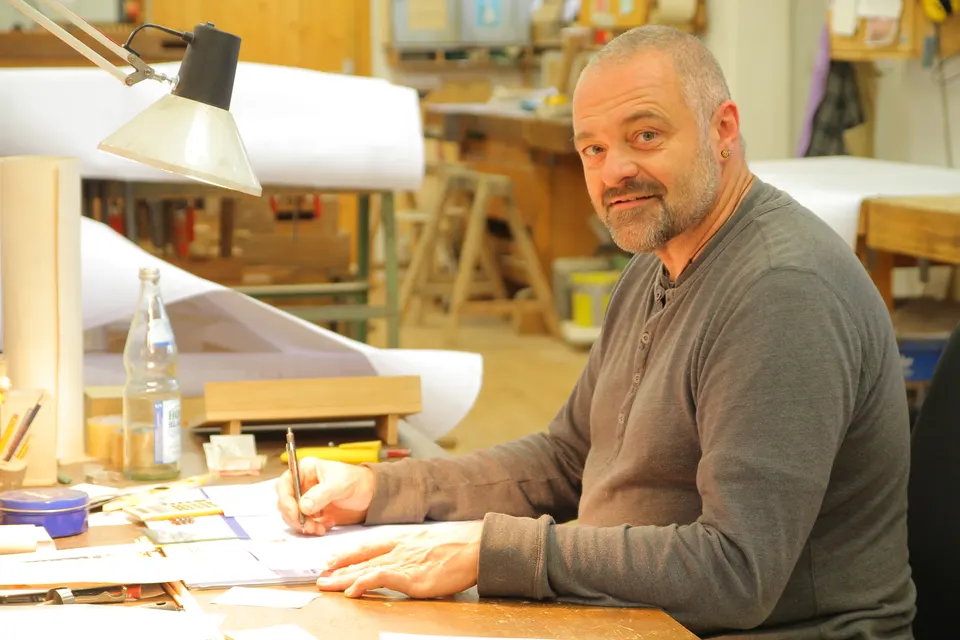
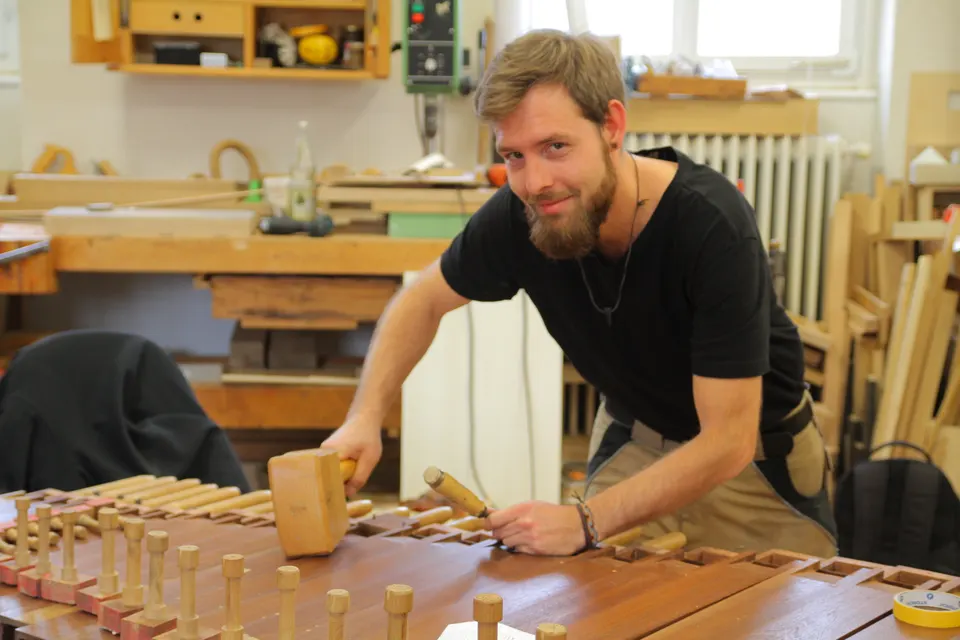
Reiner Janke

Reiner Janke in the company since 1986 | Chefintonateur

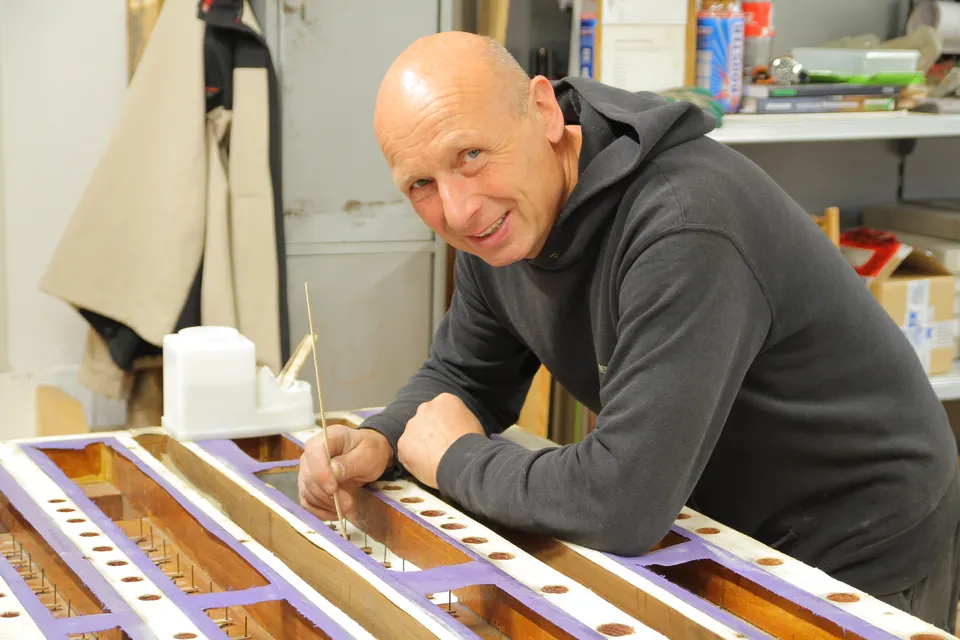
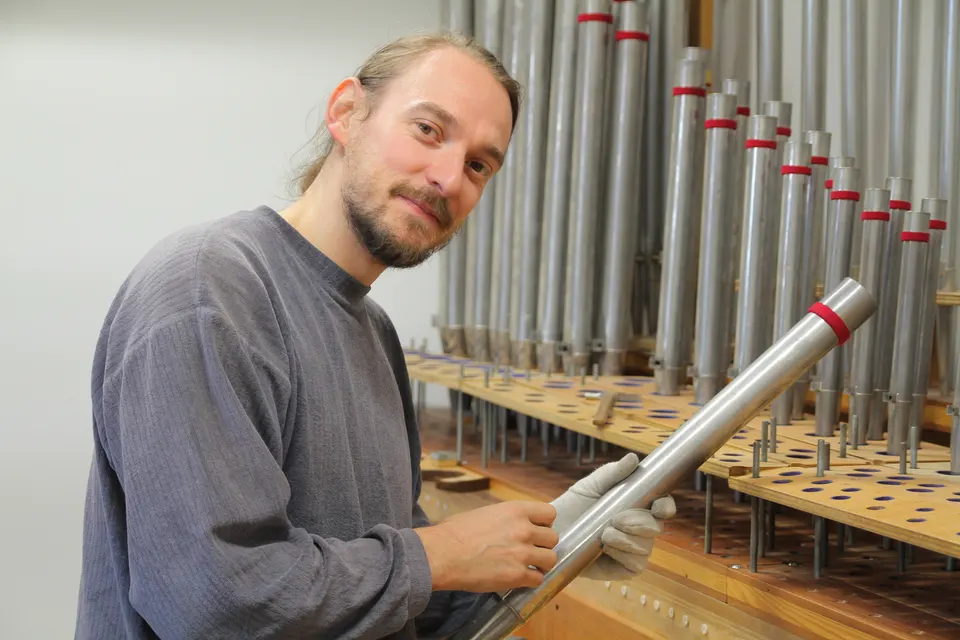
Eckhard Dittmer

Eckhard Dittmer in the company since 1990 | voicing

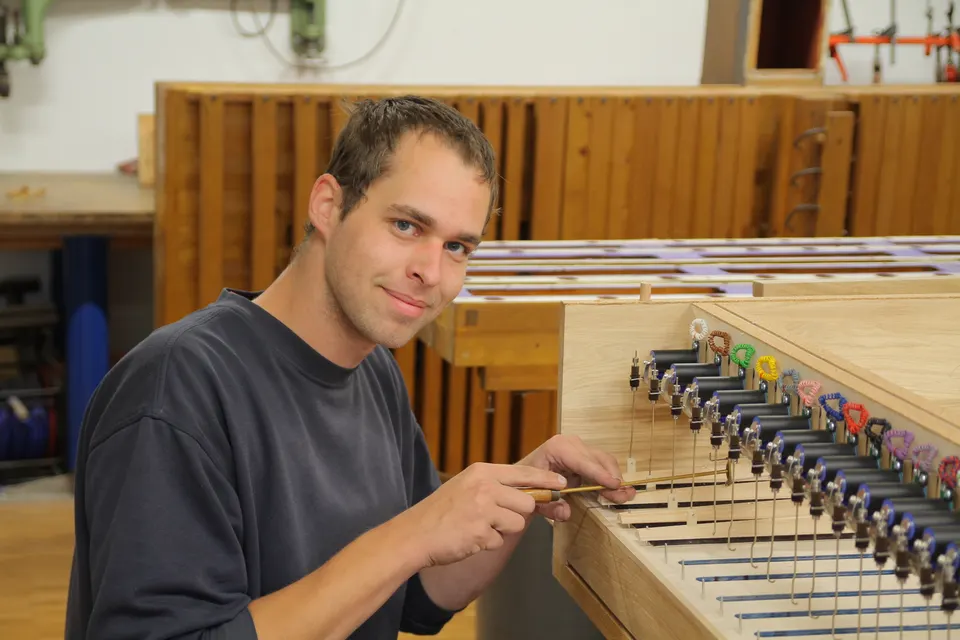
Stefan Theileis

Stefan Theileis in the company since 1995 | Intonation

Klaus Martin Sackmann

Klaus Martin Sackmann in the company since 2002 | Werkstattleiter

Erich Weber

Erich Weber in the company since 2002 | Aussendienst

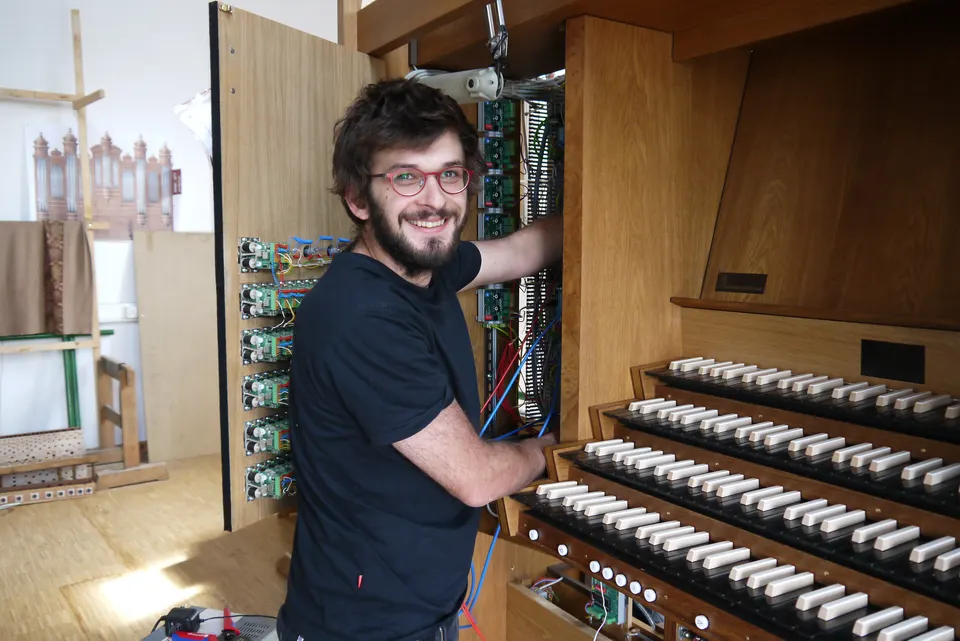
Jonas Winter

Jonas Winter in the company since 2007 | Windladenbau & Elektrik

Martin Schwan

Martin Schwan in the company since 2008 | Traktur, Gehäusebau

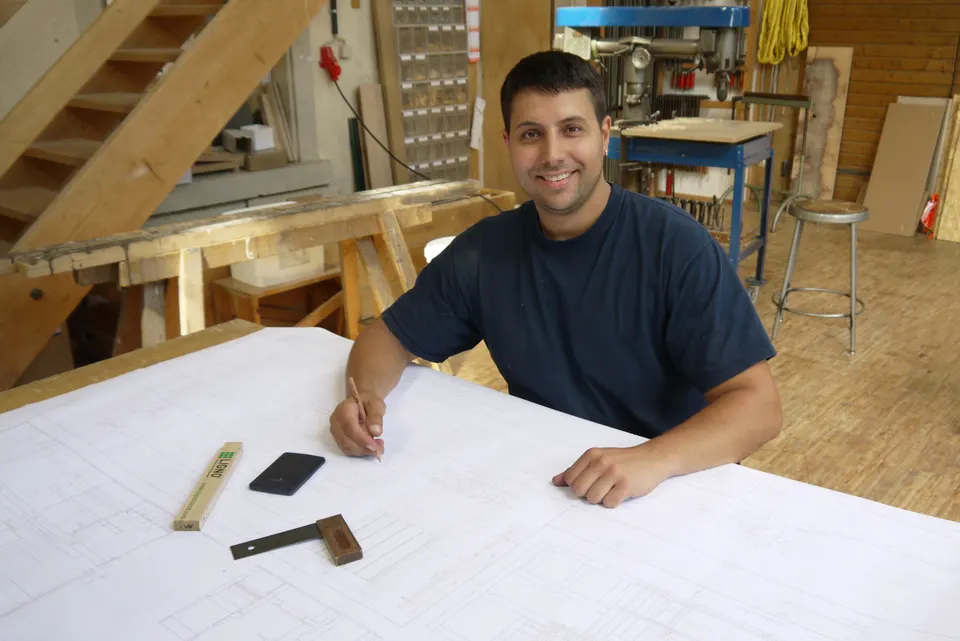
Antonio Kubo-Rücker

Antonio Kubo-Rücker in the company since 2010 | Holzpfeifen, Montage

Tristan Lebherz

Tristan Lebherz in the company since 2015 | voicing

Simon Grabowski

Simon Grabowski in the company since 2016 | assembly

Damian Zeh

Damian Zeh in the company since 2018 | Assembly

Claus-Uwe Lindl

Claus-Uwe Lindl in the company since 2020 | restoration

Marius Krause

Marius Krause in the company since 2023 | assembly

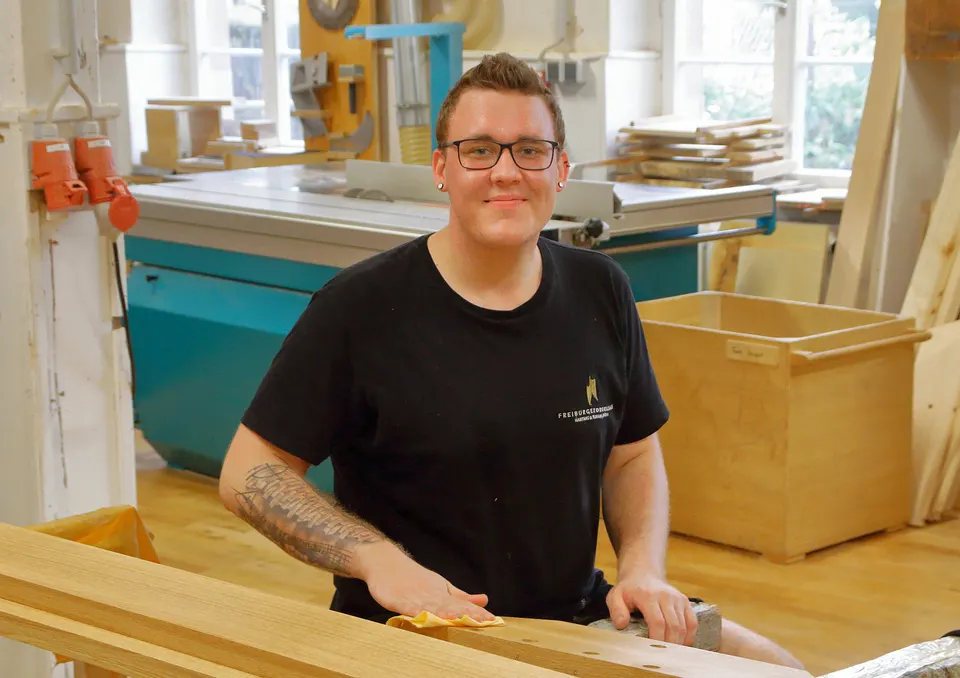
Amelie Wittek

Amelie Wittek in the company since 2023 | apprentice

Doyun Kim

Doyun Kim in the company since 2024 | Assembly

Malte Stein

Malte Stein in the company since 2024 | Assembly

Johanna Czibulinski

Johanna Czibulinski in the company since 2024 | Executive Assistant

Jonah Bommas

Jonah Bommas in the company since 2025 | Carpenter

Adela Evers

Adela Evers in the company since 2025 | Apprentice

Tristan Aniol

Tristan Aniol in the company since 2025 | Apprentice

Our team

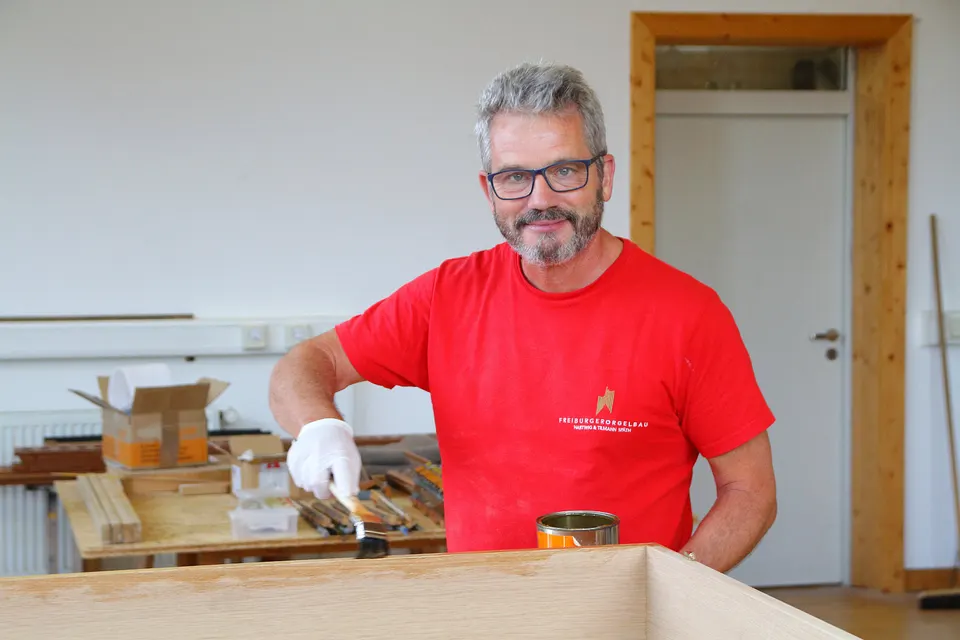
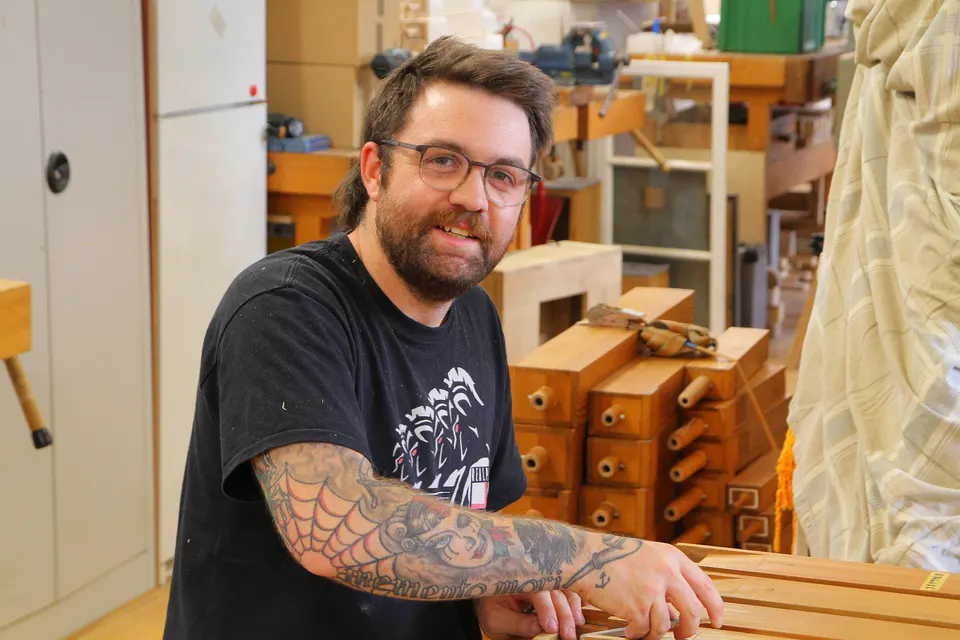
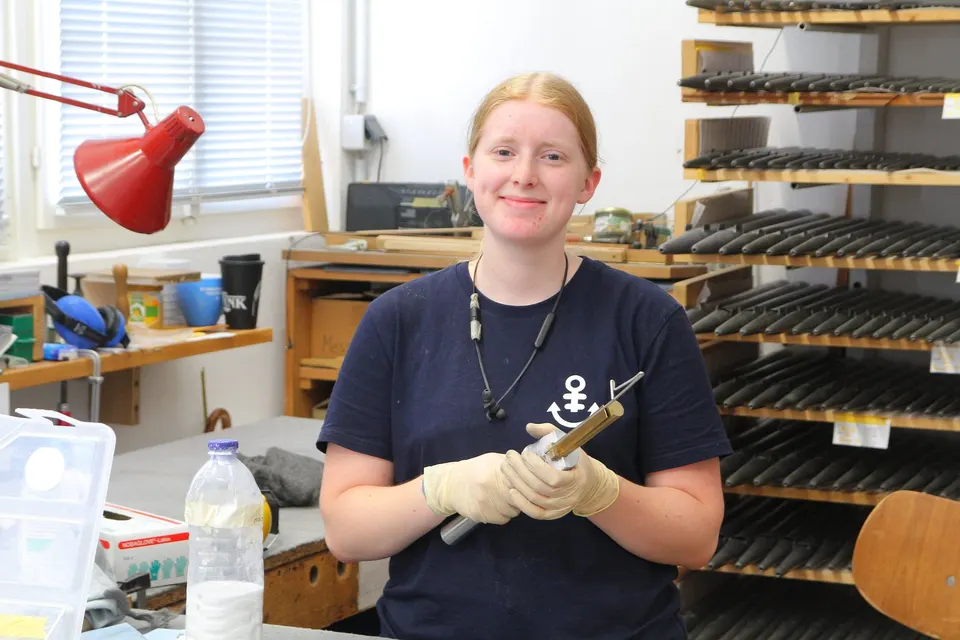
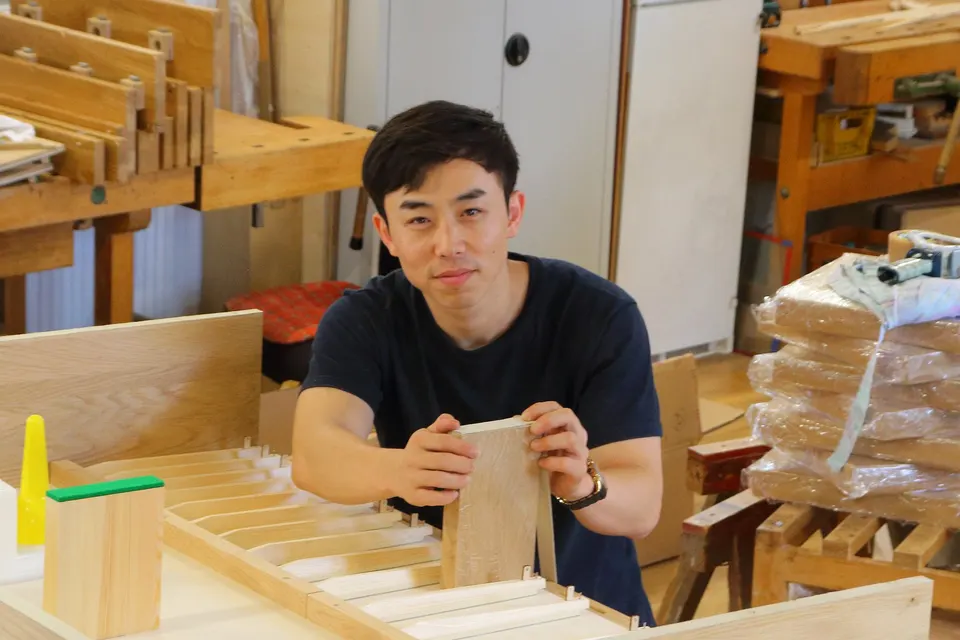
Every company is as good as its employees. We are proud of our team, which includes experienced colleagues who have been in the company for up to 40 years, as well as young, ambitious, and motivated employees who are already taking on responsibilities in specialized areas.

Workshop

Workshop

Workshop

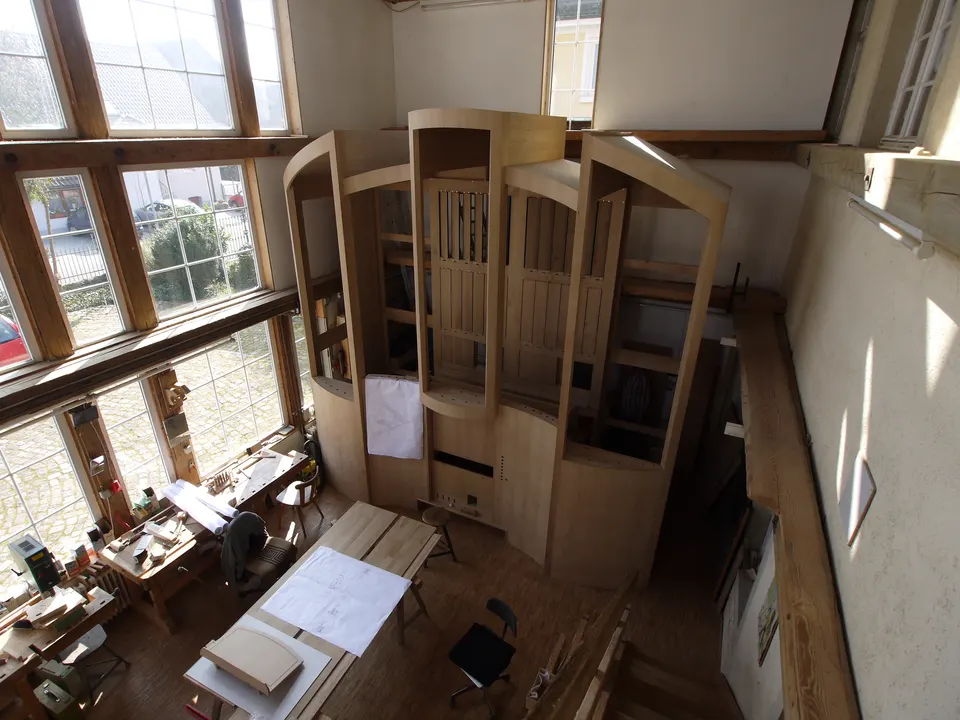
Montagesaal groß mit 13m Raumhöhe
Montagesaal groß mit 13m Raumhöhe

Extension Building
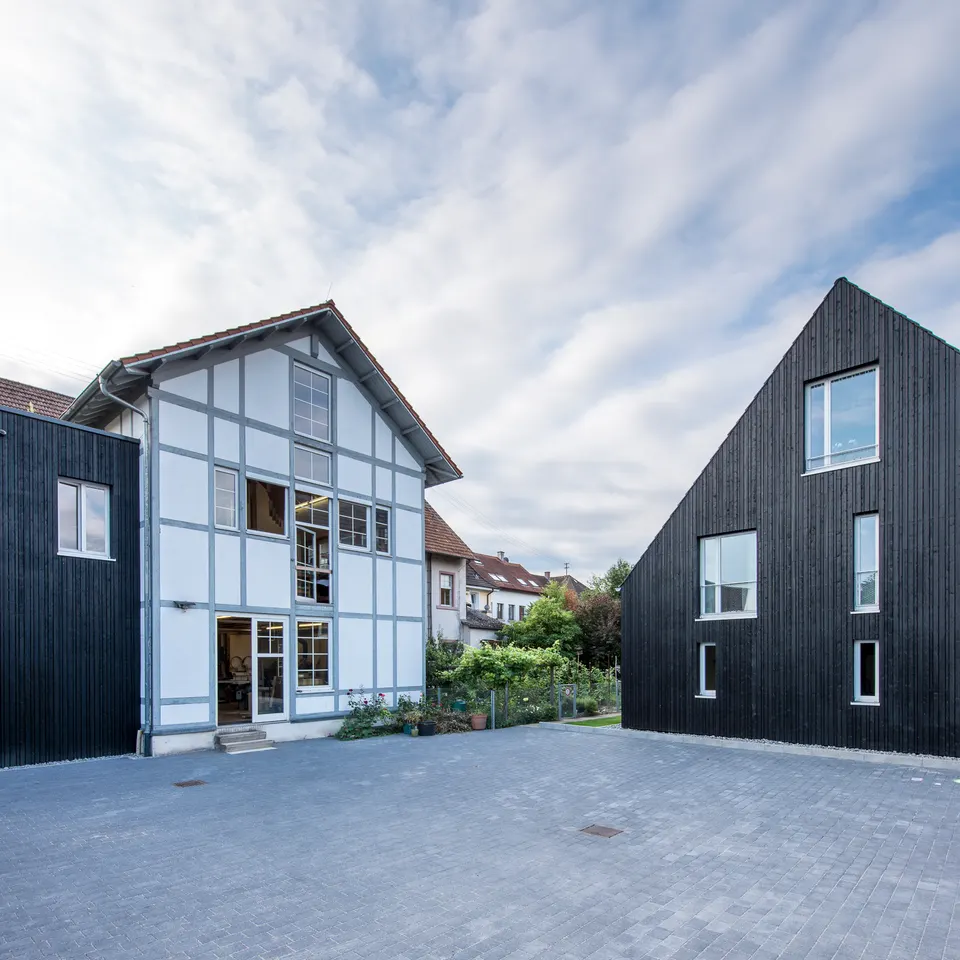
Extension Building

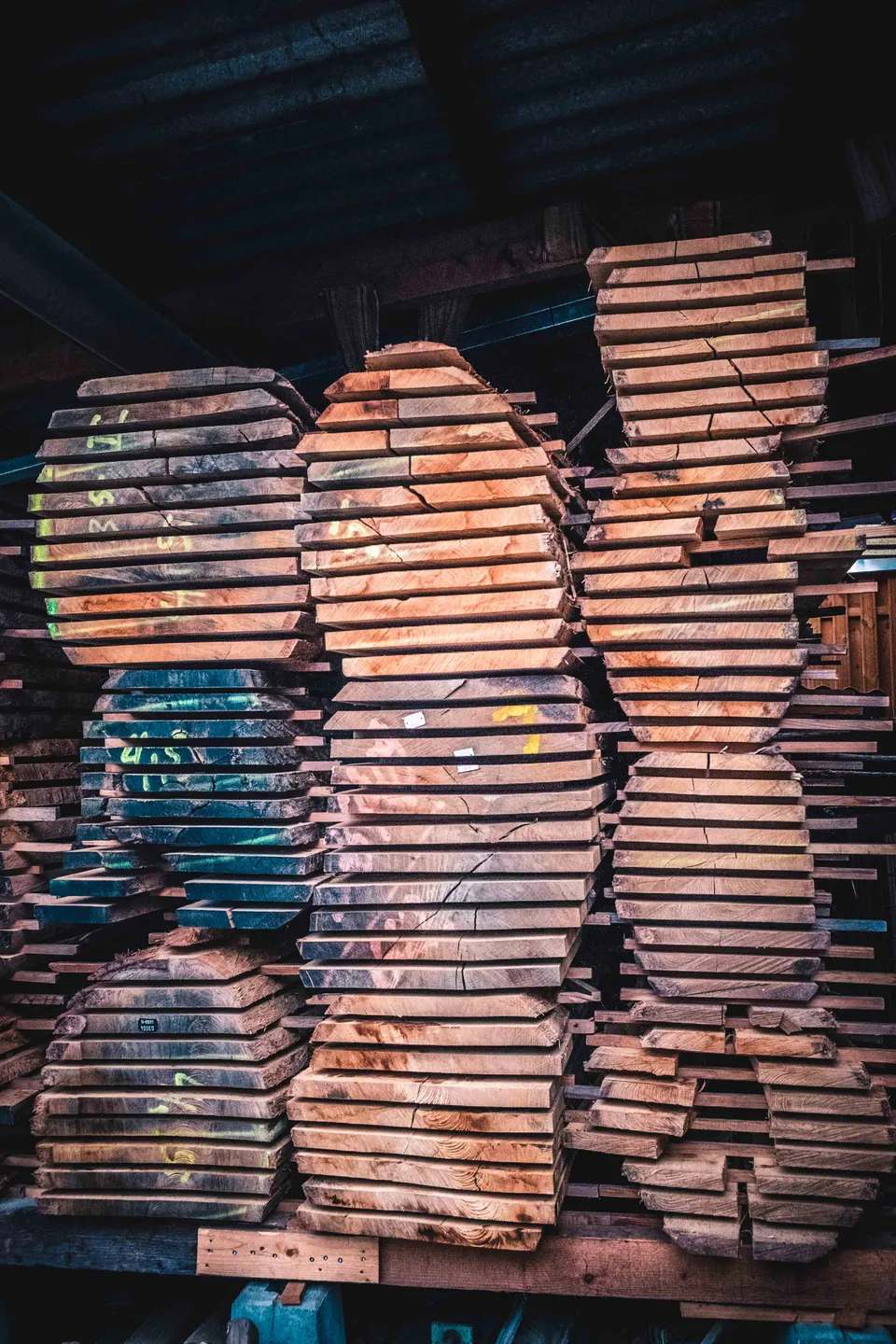
Holzlager

Timber yard

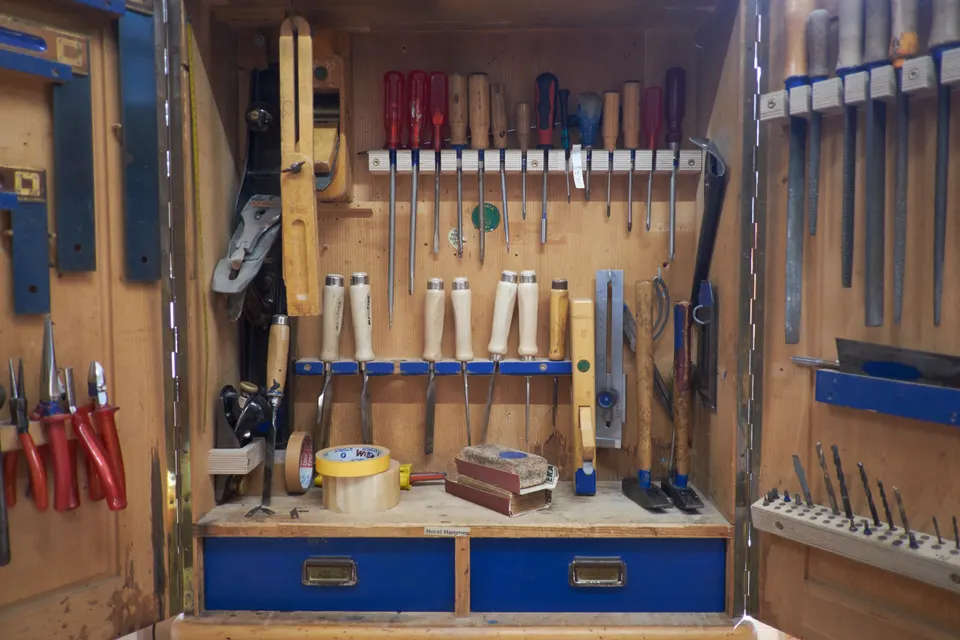
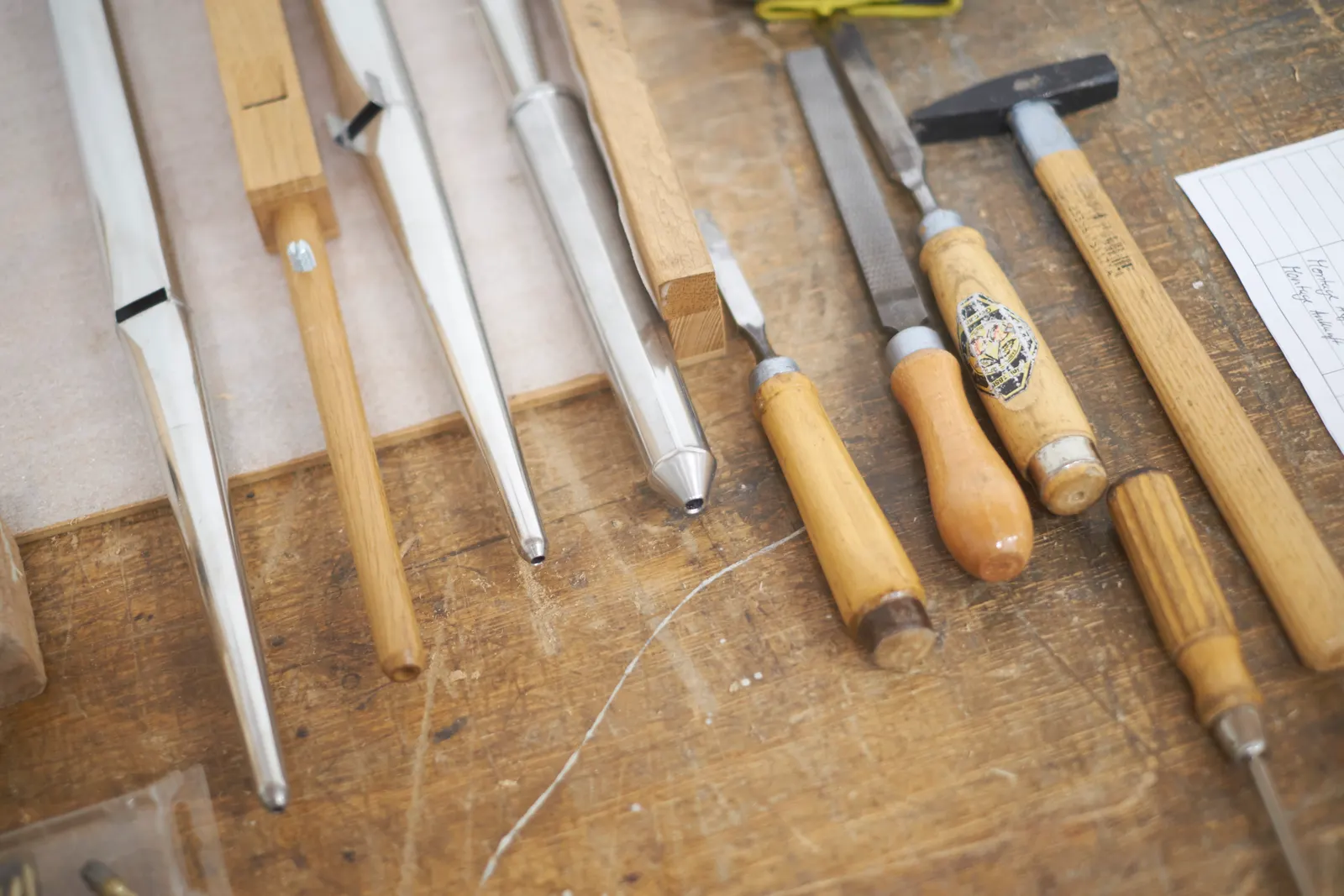
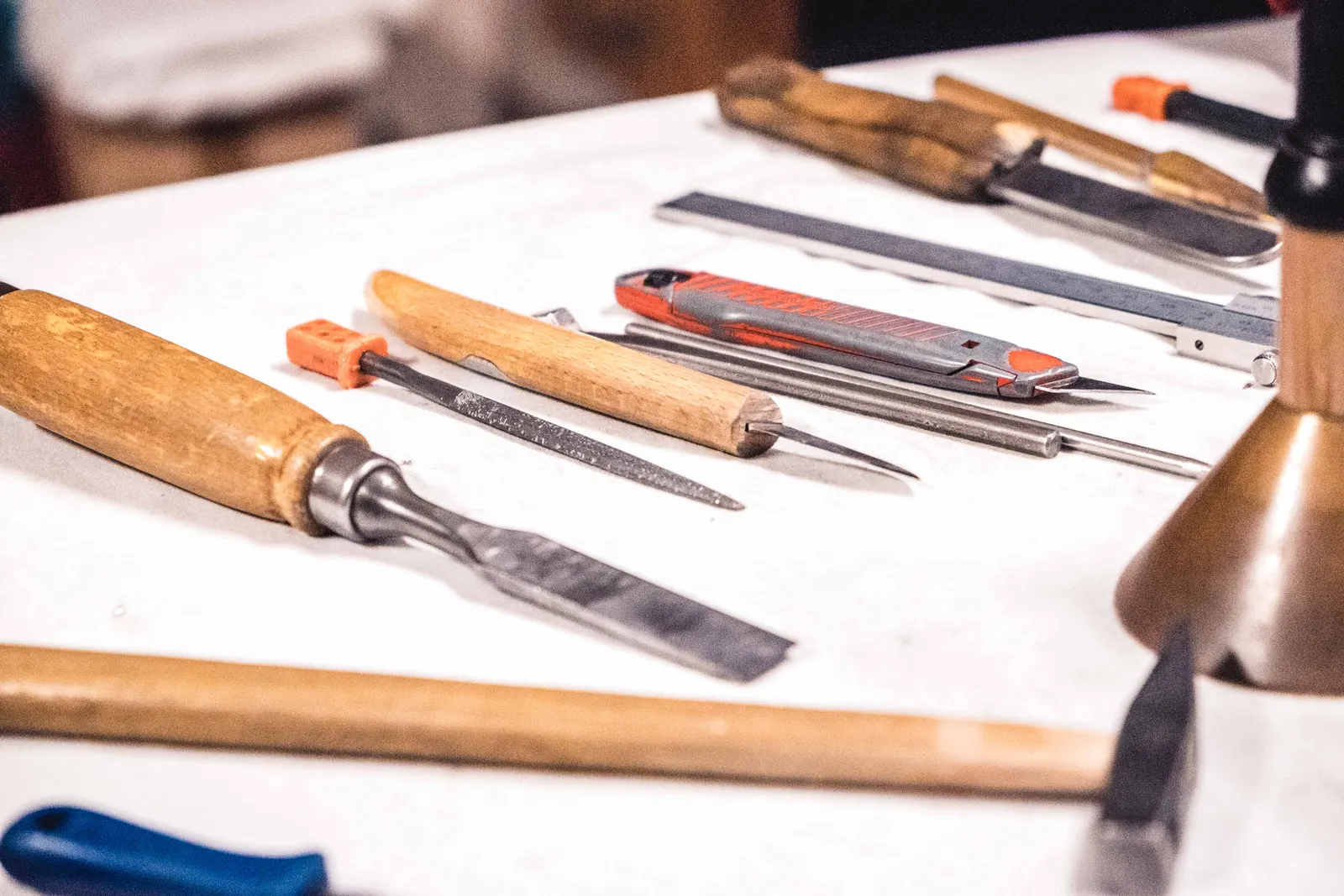
Toolbox

Toolbox

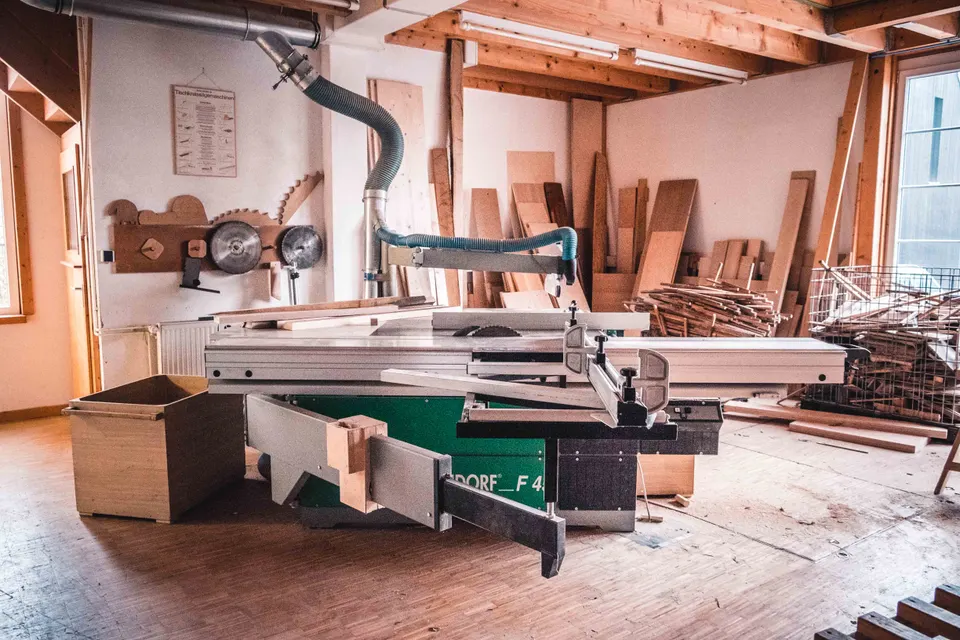
Maschinenraum

Maschinenraum

Pneumatik

workshop pneumatic

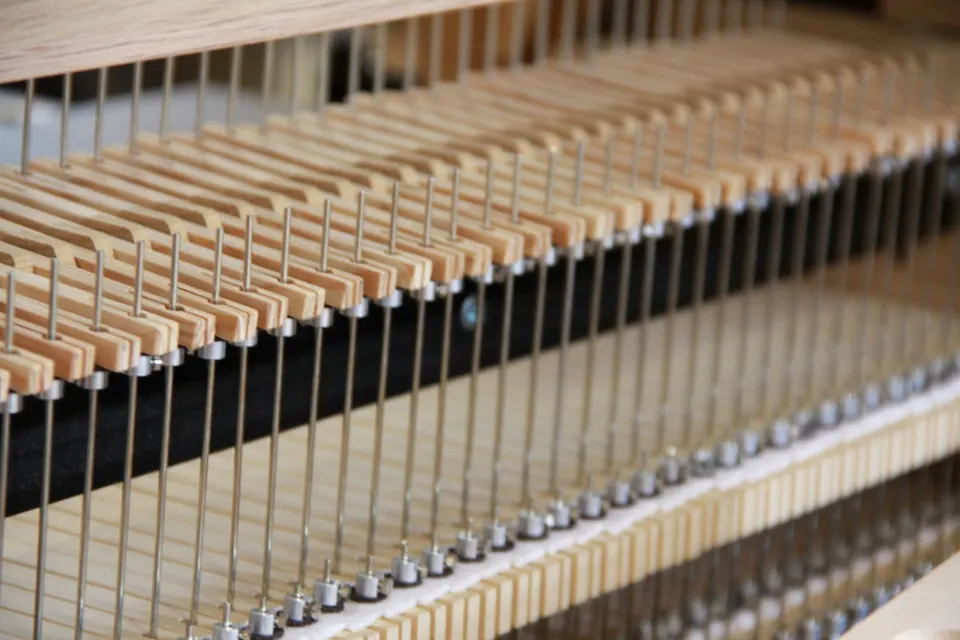
Workshop mechanical parts

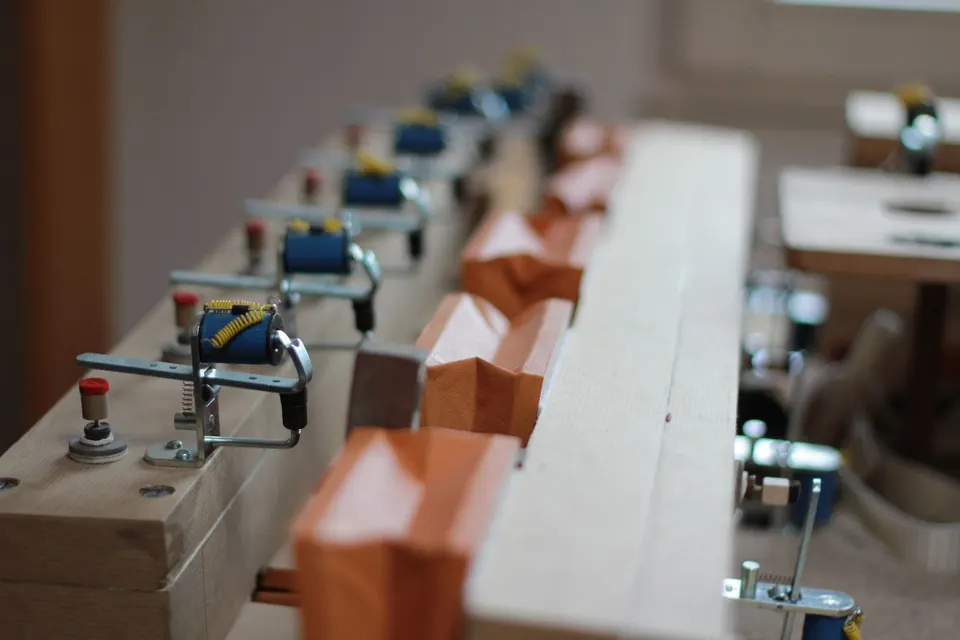
Koppelanlage für einen Spieltisch in Herstellung
Office

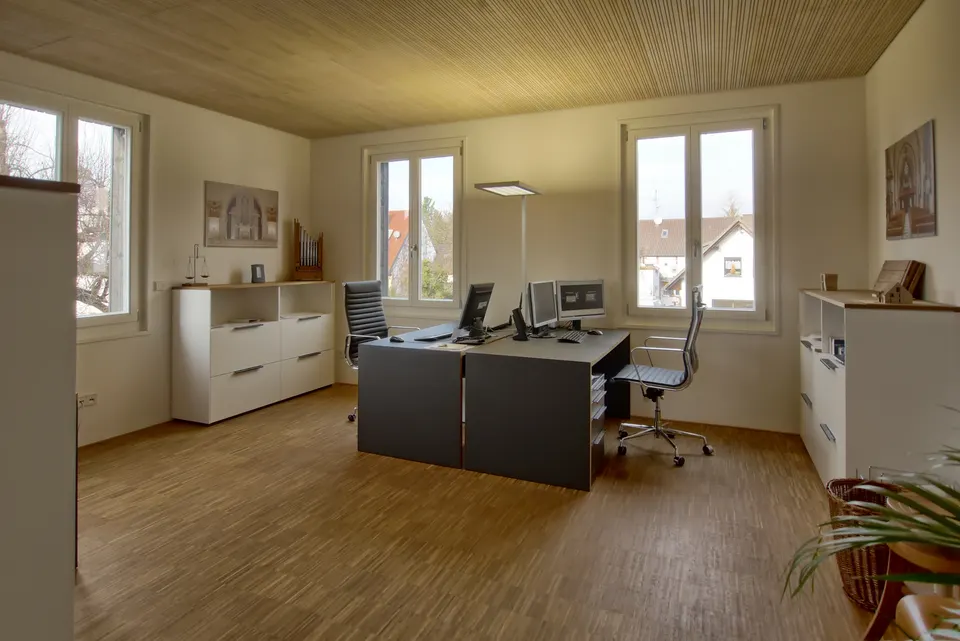
Office

A place for ideas

The company Hartwig Späth, Master organ-builder, was founded in October 1964 through the separation of the Späth Brothers company from Ennetach.
In 1967 an area of almost 2000 sq. m. was purchased in Hugstetten, with the buildings of a former cigar factory and a dwelling from 1828.

In 1978 a 12 metre high, 60 sq. m. assembly hall was added.

In 2001 a further extension was build with a basement, machine room, and a smaller 7 m. high assembly hall. Together with the offices and a two storey workshop, we now have a total working area 615 sq. m. at our disposal. All organs are completely assembled and voiced in our workshops. Workshops 615 sq. m., subdivided into wind-chest production, case-work, console, voicing, metal working, machine room, offices.

Storage area: 250 sq. m.

Timber yard and storage sheds: about 247 sq. m. with 50 - 60 cu. m. timber store
History

First generation


1825—1876
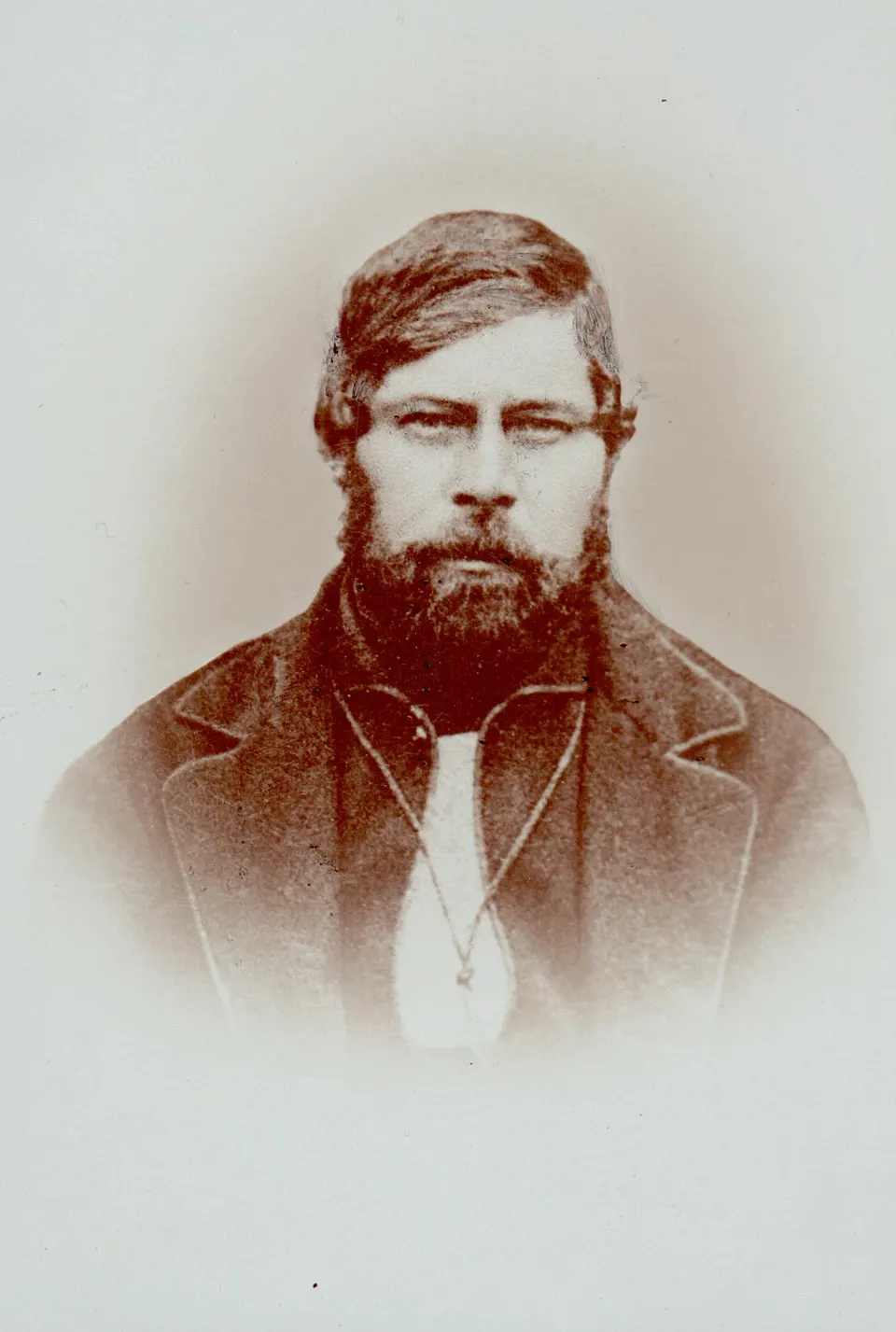
Alois Späth

Alois Späth

Master Organ Builder

Born 16 June 1825 in Ennetach
Died 7 July 1876 in Ennetach

From 1844, after his cabinet-maker apprenticeship, he was trained to be an organ builder by Vitus Klingler in Ennetach.

In 1862 he took over his workshop. He built 6 organs ranging from 8 to 18 stops for Dankensweiler, Braunenweiler, Allmensweiler, Levertsweiler, Mengen, Hirrlingen near Rottenburg.


Second generation


1859—1940
Franz Xaver Späth

Franz Xaver Späth

Master Organ Builder

Born 22 November 1859
Died 5 October 1940

1891 together with his brother, Albert Späth, he found the company Brothers Späth
1902 Opus 100 is produced
1912 Opus 200
1923 Opus 300
1912 Title: Master organ builder by appointment to the court of Sigmaringen
1928 Title: Papal court suppliers


Third generation


1908—1979
August Späth

August Späth

Master Organ Builder

Born. 4 September 1908
Died 25 September 1979

Apprenticeship with his father Franz-Xaver
Further qualifications with Stahlhut in Aachen and Seifert in Cologne
From 1934 co-partner of the company Späth Bros.
1964 he takes over the branch in Freiburg with his son Hartwig and founds the company Freiburger Orgelbau


Fourth generation


*1942
Hartwig Späth

Hartwig Späth

Master Organ Builder

Born 08 February 1942 in Ennetach

From 1958 Apprenticeship with his father
1959-1965 Business studies in Munich
1964 several months practical course with Rieger, Vorarlberg
From 1965 Working with his father
1970 Master's degree in Ludwigsburg


Fifth generation

*1984
Tilmann Späth

Tilmann Späth

Master Organ Builder

Born. 13 Mai 1984 in Freiburg

2000-2001 technical school for wood engineering
2001-2004 Apprenticeship at Rensch Organbuilding in Lauffen am Neckar
From 2004 member of the company
2005 practical course with Fa. Orguian, Santo Tirso (Portugal)
2008 Master's degree in Ludwigsburg
Since fall 2008 co-owner of the company
2008-9 Academy for Business Management in Craft Industries
2009 Buildings Energy Management Adviser's qualification
From 2015 in advisory council of the BDO

Since the foundation of the company in 1862 over 1.000 organs have been built. Of these many were delivered abroad:

  • 11
    Organs to England
  • 9
    Organs to Ireland
  • 6
    Organs to Austria
  • 5
    Organs to USA
  • 4
    Organs to China
  • 4
    Organs to Switzerland
  • 1
    Organs to Russia
  • 1
    Organs to Tanzania

Specialties

Voicing

Voicing (1/6)
Voicing (2/6)
Voicing (3/6)
Voicing (4/6)
Voicing (5/6)
Voicing (6/6)

The sound itself creates the music

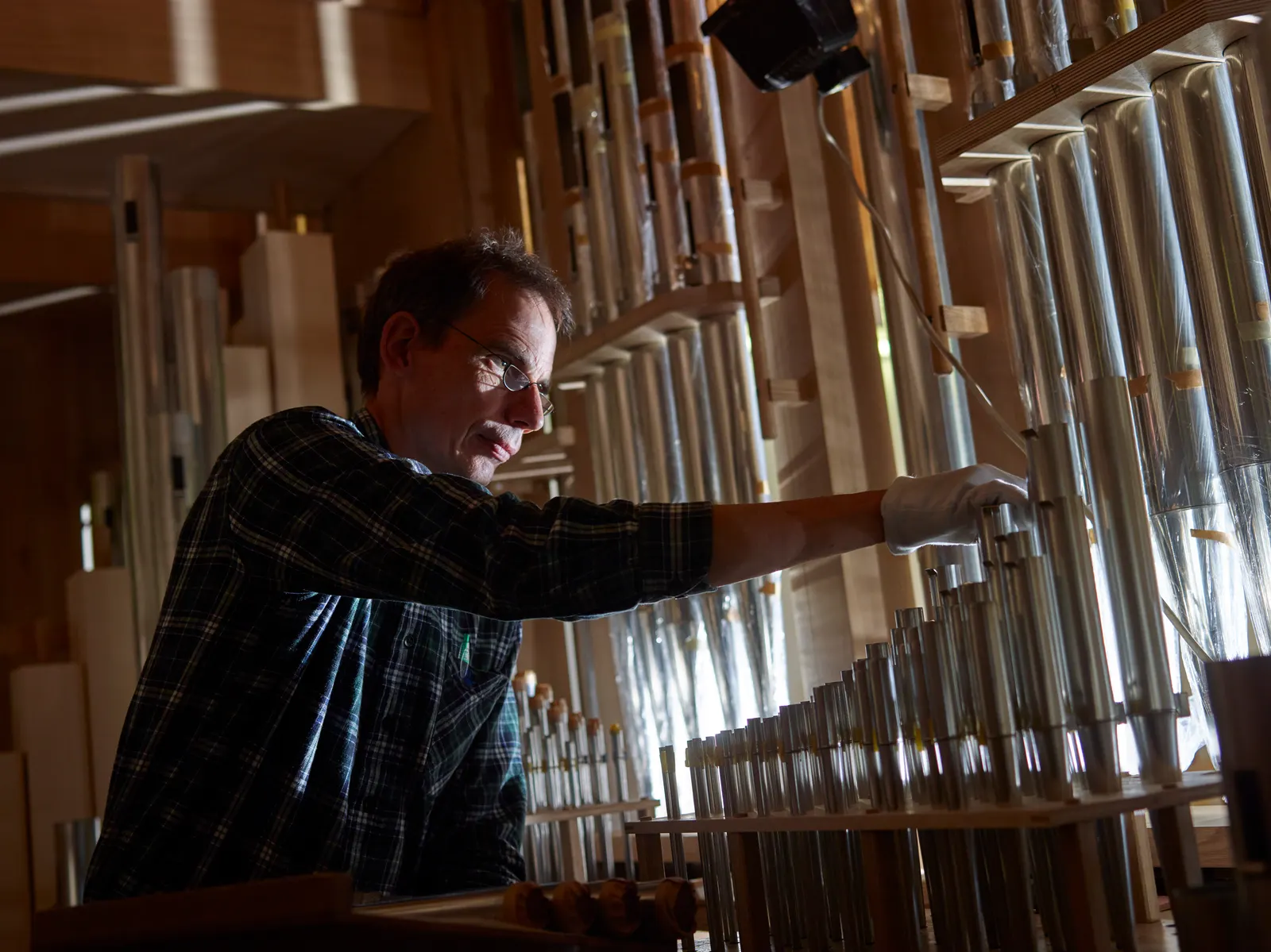
Voicing is in the hands of our experienced specialist Reiner Janke. He has the only home page devoted to voicing: Orgel-info.de.

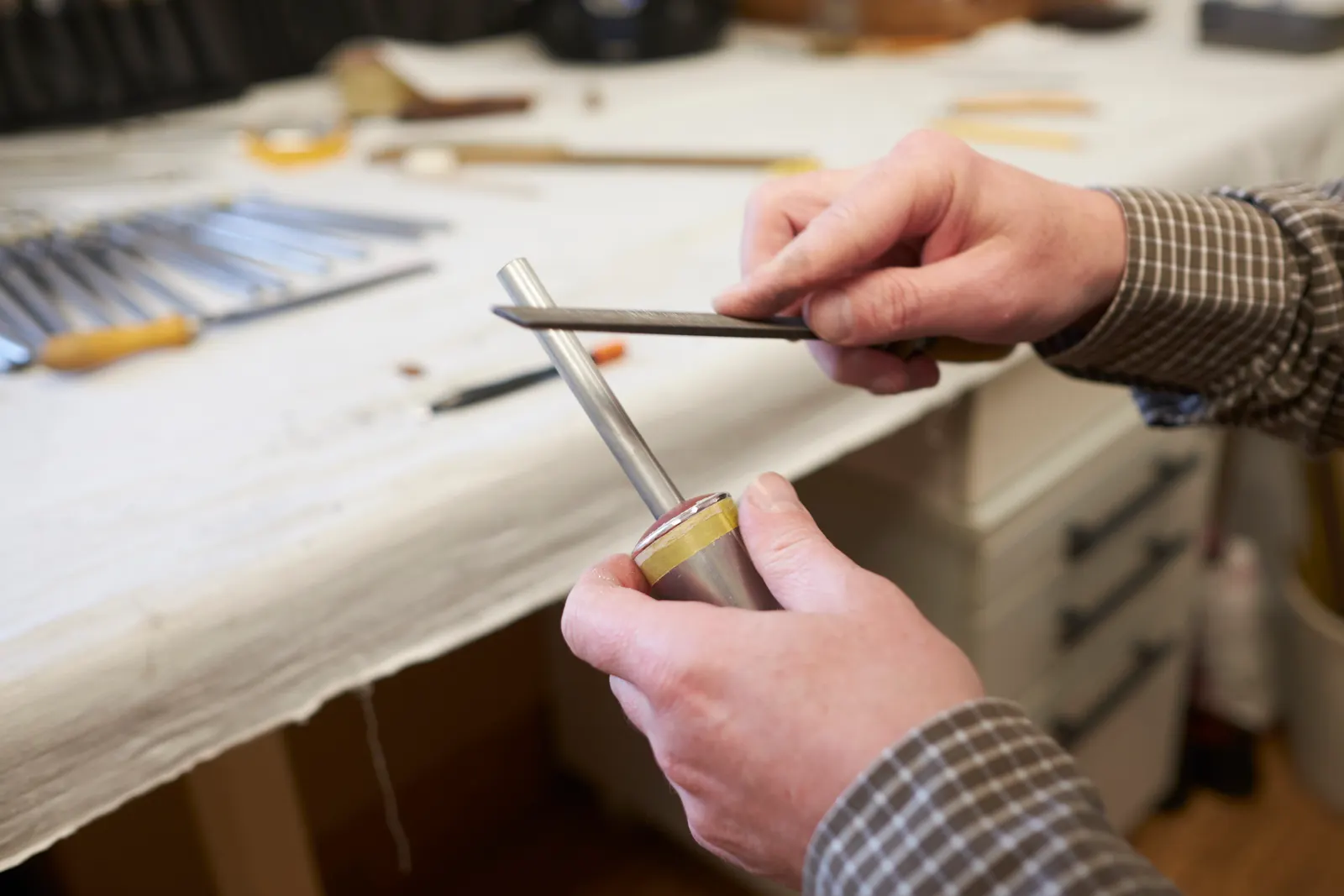
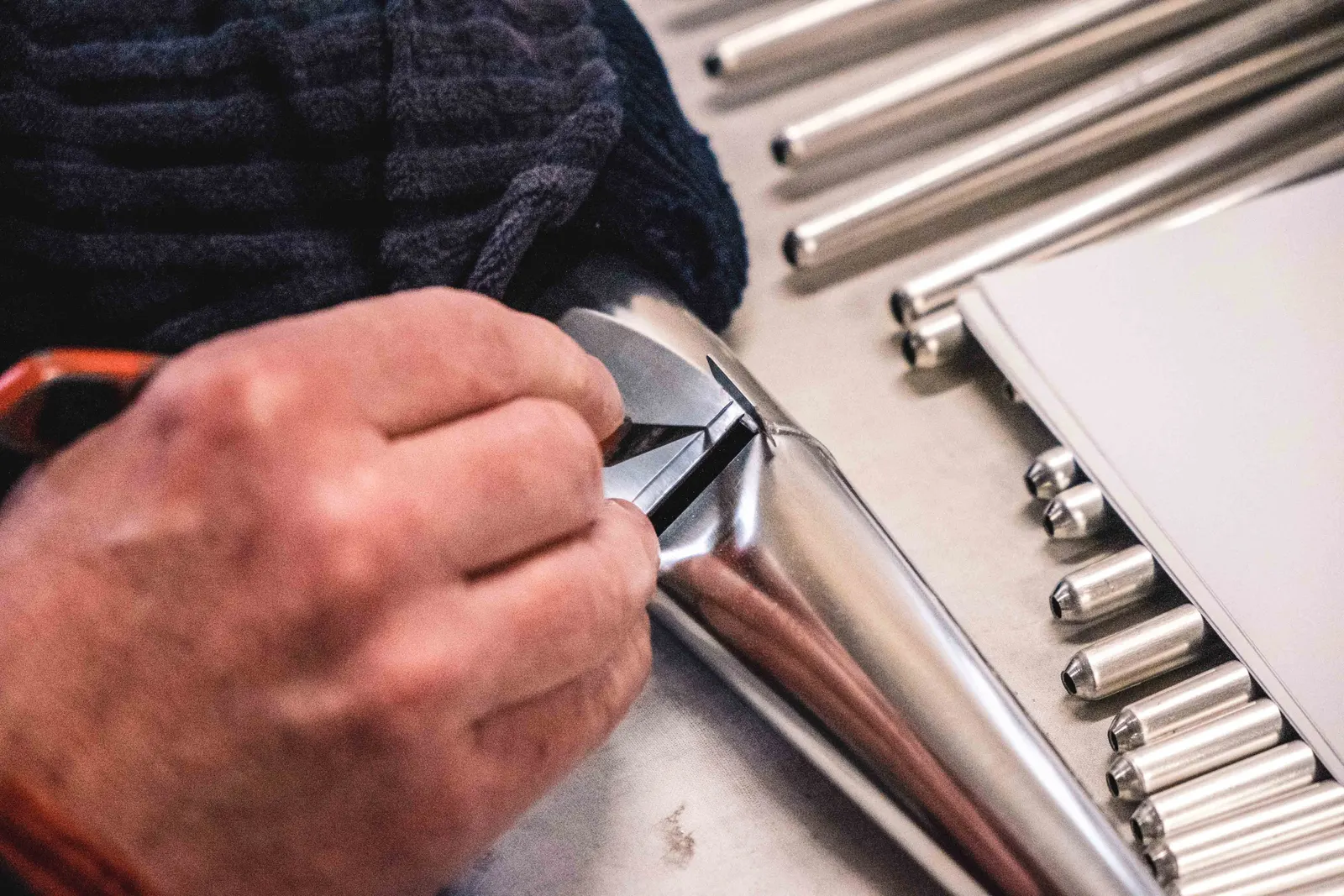
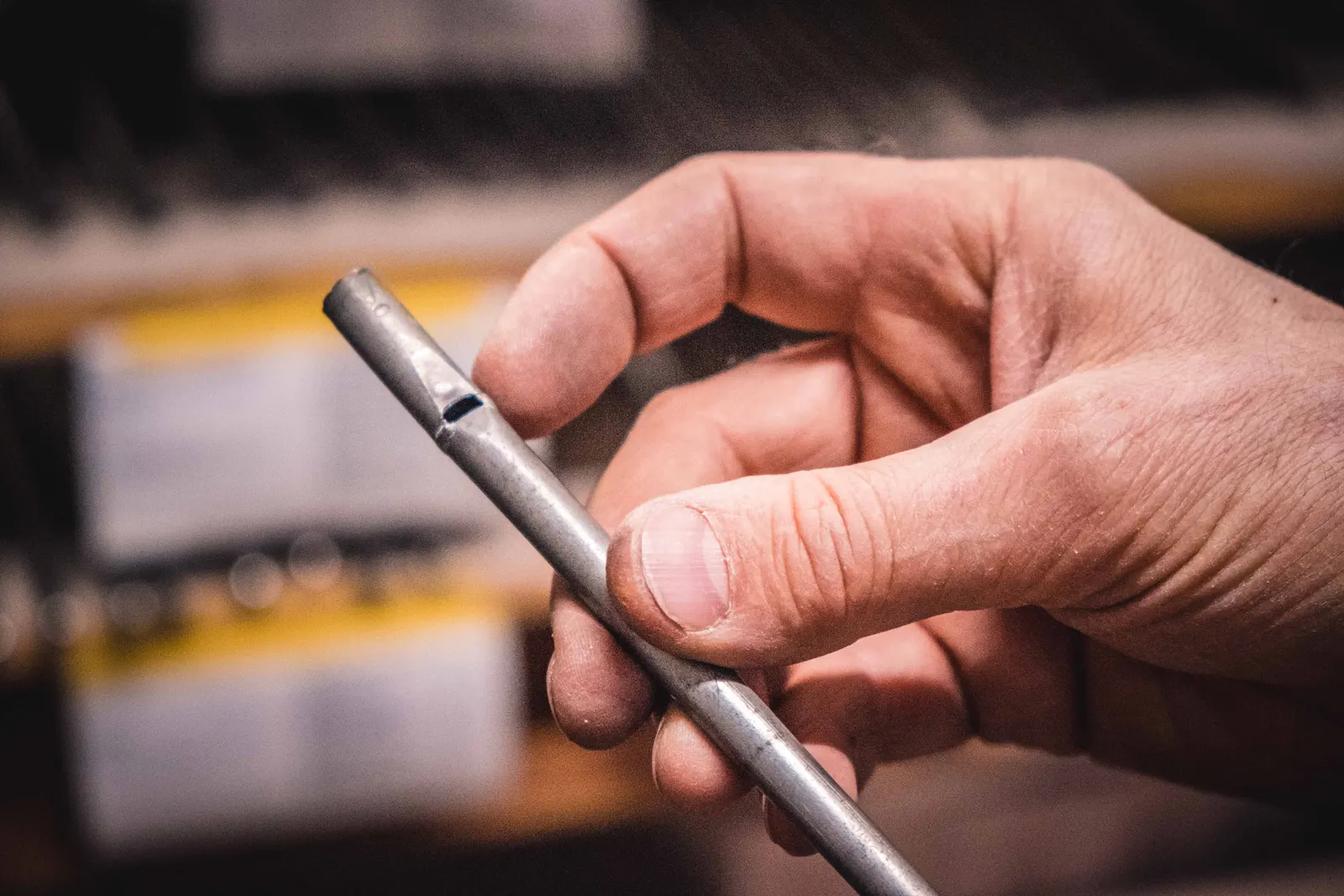
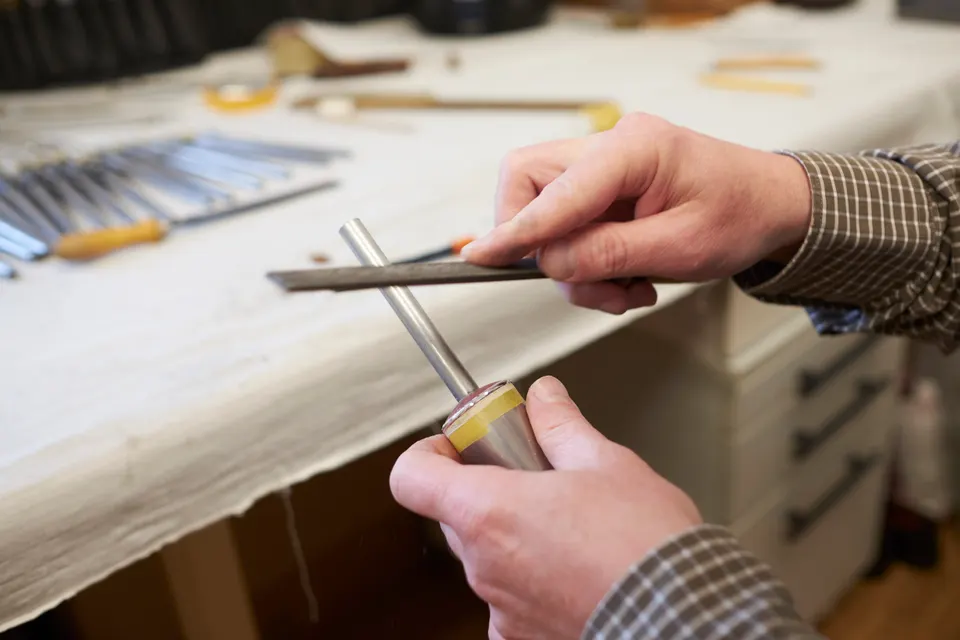
Voicing is the tonal shaping of the organ pipes. To do this, the mouth (or face) of the pipe is manipulated with special tools, in order to alter the tonal quality and volume of the pipe and to achieve a clear and full sound. On top of this, every stop, or set of pipes, must be evenly balanced in tonal character and volume, both within itself and in relation to other stops, before being finally tuned.

Rather than applying a 'once learnt and always practised' method, the voicing of an organ ensures, right from the start, from a consciously formed tonal conception. Depending on the desired results, various technical parameters of the organ pipes are considered and applied as necessary.

We use 45 differing timbre forming components on labial pipes. An outstanding feature of our instruments is the combination of warmth and softness, with clarity and colour. An great deal of working time is required to reach this aim. Reed pipes are also a speciality of ours. Their style is influenced by nearby Alsace and embody a pure and blendable tonal character which lends our organs strength and colour.
 

With reed pipes the scaling (dimensioning) is of much greater importance than with labial pipes. We use exclusively our own scales for the reeds, based on long years of experience and historic examples. The uniform produced sound from standard stops from reed suppliers is thus avoided. All the voicing work is done in our workshops.

Our co-operation on several organ research projects, together with dialogue with the scientists involved, continues to give us new stimulus for a better understanding of the way organ pipes work and new ideas for our practical work.

Organ research project

Interchange sliders

Tettnang, Schlosskirche
Interchange sliders (2/4)
Interchange sliders (3/4)
Interchange sliders (4/4)

To get more out of less

With a relatively small number of stops, and by using the principle of interchange sliders, it is possible to create a complete organ containing all the important fundamental and accompanimental stops.

A specification with ample choice of fundamental 8', 4' and reed stops leans towards the transitional phase between Baroque and Romantic, allowing excellent realisation of both styles of music.

We recommend putting the whole manual (except the Principal 8') in a swell box to enable the volume to be varied or adjusted at all times. A sub-octave coupler can substantially increase the tonal impact of such an instrument. 

Wind supply

Wind supply (1/3)
Wind supply (2/3)
Wind supply (3/3)

Wind supply

A good wind supply needs to be sufficiently large but still react gently. As a result, many organs built over the last couple of decades on historical models were provided with large external wedge or double-rise bellows. These bellows generally have enough volume and the required softness, but usually there is also a shaking and trembling in the wind. In addition to this there are other disadvantages, such as their high space requirement and the short life span of the leather.

These bellows generally do have enough volume and the required softness, but usually there is also a shaking and trembling in the wind. In addition to this there are other disadvantages, such as their high space requirement, and the short life span of the leather.

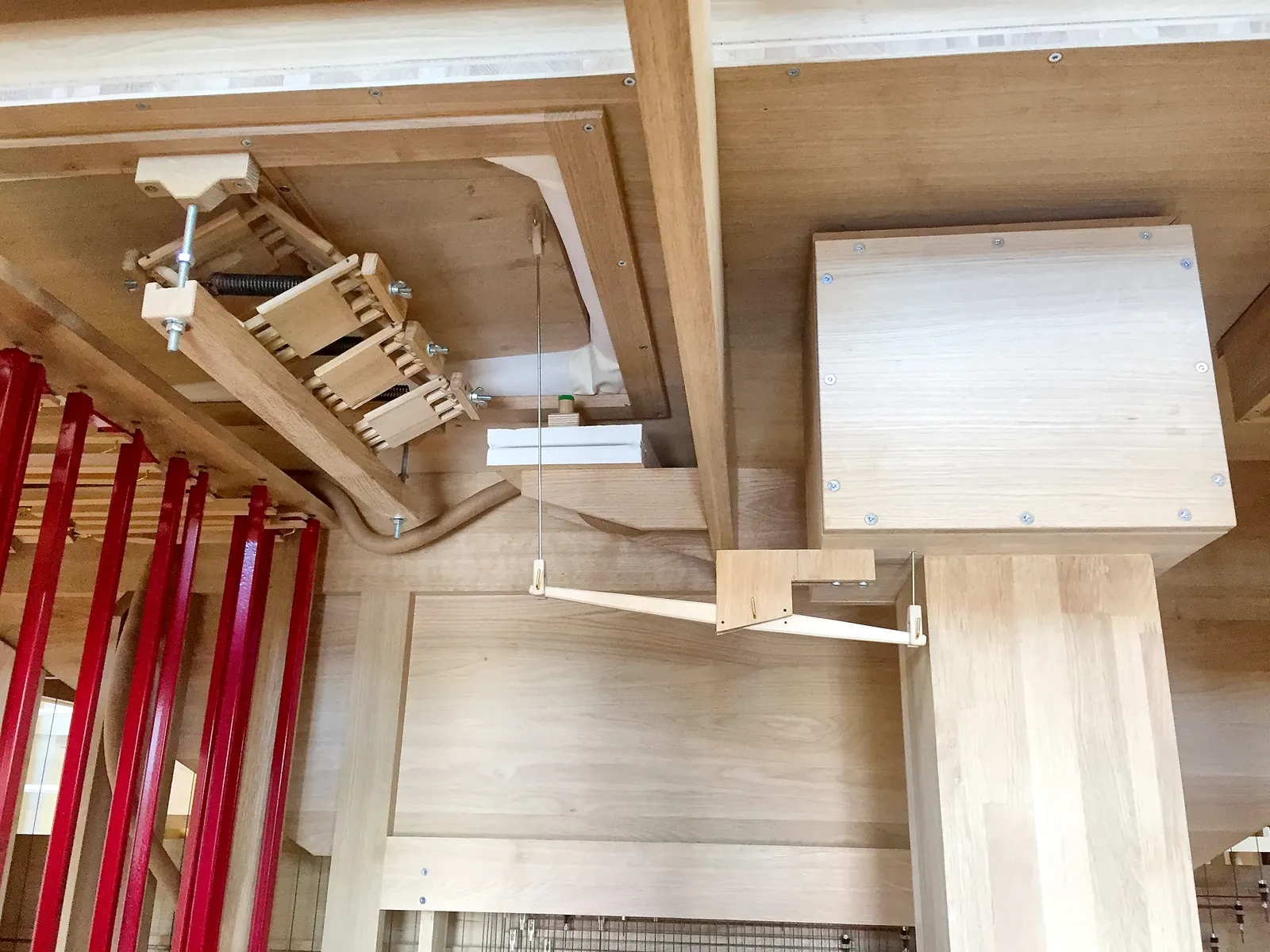
Over the last few years, these disadvantages have led us to the development of a regulated wind system containing four single valves, rhomboid springs underneath the windchest bellows in addition to small shock absorbers, one of which is a "Helmholtz" resonator. Using this construction we have achieved a stable and soft wind supply. At the same time we have eliminated the aforementioned disadvantages. The tremulants receive special attention and a special construction and have the soft yet intensive characteristics of a mild tremulant.